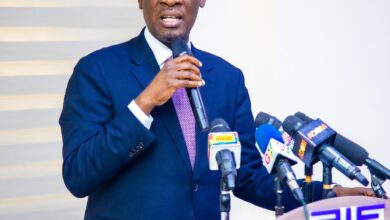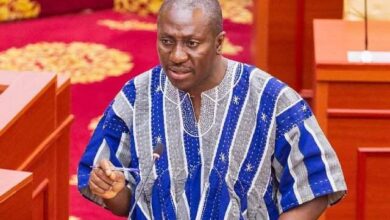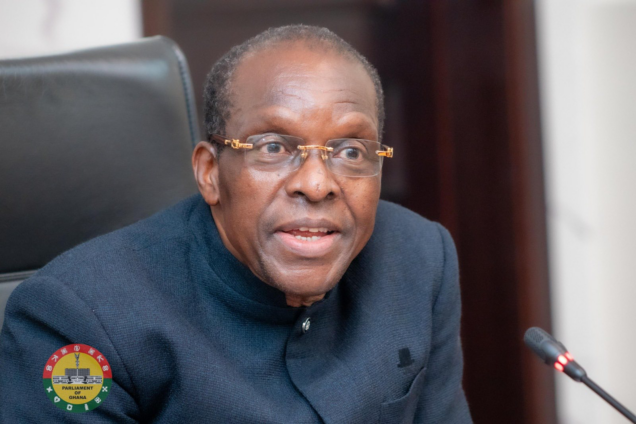
Speaker of Parliament Alban Bagbin has directed the House to revisit the passage of the Human Sexual Rights and Family Values Bill, 2025, popularly known as the anti-LGBTQ bill.
The directive follows concerns over whether the level of bipartisan support reflected in the committee report was adequately demonstrated during proceedings on the floor of Parliament.
According to the Speaker, the committee report that accompanied the bill indicated that members from both the Majority and Minority sides unanimously supported the proposed legislation. However, he noted that the same level of bipartisan consensus was not clearly reflected during the bill’s passage in the House.
“Neither did the proceedings of that day convey the unanimity, nor bipartisan understanding upon which the bill was initially promoted and deliberated upon,” he said.
Mr Bagbin explained that where a committee presents a report indicating unanimous or bipartisan support for a bill, that consensus ought to be evident in the proceedings and decision-making process on the floor.
He maintained that legislation of such profound national importance should proceed on a foundation of broad parliamentary support, bipartisan cooperation, and strict adherence to constitutional and parliamentary procedures.
“My concern is that legislation of such profound national importance should proceed on a foundation of broad parliamentary support, bipartisan cooperation, and scrupulous adherence to the procedures established by the Constitution and the Standing Orders of Parliament,” he added.
The Speaker’s intervention introduces a fresh twist to the passage of the controversial legislation, which has generated intense public debate both locally and internationally.
The Human Sexual Rights and Family Values Bill seeks to prohibit LGBTQ activities and advocacy in Ghana. It was championed by a bipartisan group of lawmakers. While supporters argue it protects Ghanaian cultural and family values, critics contend it raises serious concerns about human rights and constitutional freedoms.
The development comes after President John Dramani Mahama indicated that the bill would still undergo further scrutiny before any decision on assent. He noted procedural issues surrounding its passage and stated that “there’s still quite a while to go” before it can become law.
Editor:
Obiri-Yeboah