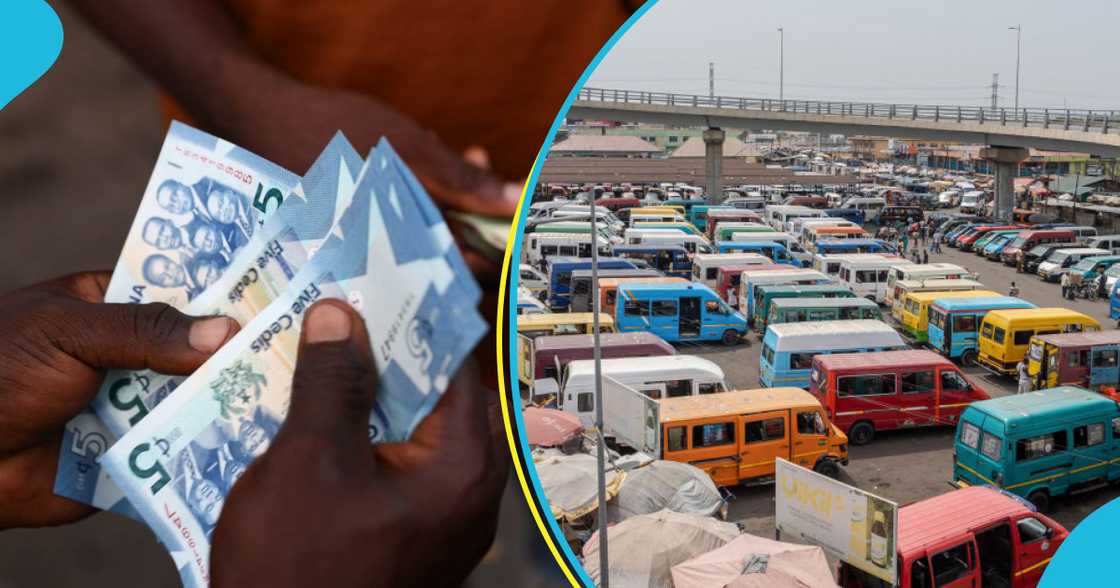
 The Alliance of Drivers Ghana has declared a 20 percent upward adjustment in lorry fares, set to take effect from Friday, 21 February 2026. The group attributes the decision to persistently rising operational costs that are jeopardising the long-term viability of commercial transport services throughout the country.
In a press release issued on Monday, 16 February 2026, the alliance explained that the fare review has become unavoidable due to prolonged and substantial increases in the prices of spare parts, vehicle maintenance, regulatory charges, and other day-to-day running expenses that drivers have been shouldering without relief.
The group provided specific examples of the escalating costs of essential vehicle components. According to the alliance, a Toyota Vitz gearbox has risen sharply from GHC4,000 to GHC7,000, while radiators now cost GHC1,000 compared to the previous GHC600. A carburettor has gone up from GHC800 to GHC1,000.
For larger commercial vehicles, the increases have been even more pronounced. The alliance reported that a Sprinter engine now costs GHC40,000, up from GHC15,000, and a Nissan Almera engine has increased from GHC10,000 to GHC15,000.
Additional pressures highlighted include higher prices for engine oil, routine servicing, fees levied by the Driver and Vehicle Licensing Authority (DVLA) and other regulatory agencies, vehicle insurance premiums, tyres, and utility bills such as water and electricity.
The alliance stressed that commercial drivers, who function as self-employed operators without any form of government subsidy, must personally cover every aspect of these mounting expenses while enduring long working hours in difficult conditions. Many, despite extended shifts, return home with minimal or zero profit, the statement noted.
While recognising that the fare increase will raise transport expenses for passengers across the country, the group insisted that the adjustment is essential to keep commercial transport operations sustainable and to maintain uninterrupted service provision.
The press release was jointly signed by National Organiser Ishmael Chobal, National Public Relations Officer Kwaku Boateng, and Assistant National Relations Officer Asare Opoku.
The alliance urged all transport operators to strictly adhere to the new fare structure and appealed to the travelling public for understanding and cooperation during what it described as a challenging economic phase for the transport industry.
This latest adjustment follows a previous 20 percent fare increase introduced in March 2025, which was similarly justified by surging fuel prices and maintenance expenses at the time. Industry watchers point out that, despite certain positive macroeconomic developments such as greater currency stability and some fuel price declines in the opening months of 2026 operational costs for commercial drivers have stayed elevated throughout 2025 and into the current year.
Spare parts pricing remains a particularly contentious matter, with transport operators arguing that maintenance expenses continue to burden the sector even as other economic variables show signs of improvement. In recent weeks, the Minister for Trade, Agribusiness and Industry, Elizabeth Ofosu-Adjare, held discussions with spare parts dealers and transport representatives to examine the pricing challenges. Dealers have attributed the persistent high costs to persistent demand-supply gaps and the influence of middlemen in the distribution chain.
The new 20 percent fare increase will apply nationwide and come into force on 21 February 2026, five days after the announcement was made.
Editor:
Obiri-Yeboah