The President of the Ghana Union of Traders’ Associations (GUTA), Clement Boateng, has criticised the recent increases in electricity and water tariffs, arguing that the current economic conditions do not justify the adjustments announced by the Public Utilities Regulatory Commission (PURC).
His comments follow PURC’s announcement of a 3.49 per cent increase in electricity tariffs and a 0.85 per cent rise in water tariffs for the third quarter.
PURC attributed the adjustments largely to exchange rate pressures, despite a decline in inflation and relatively stable electricity generation levels.
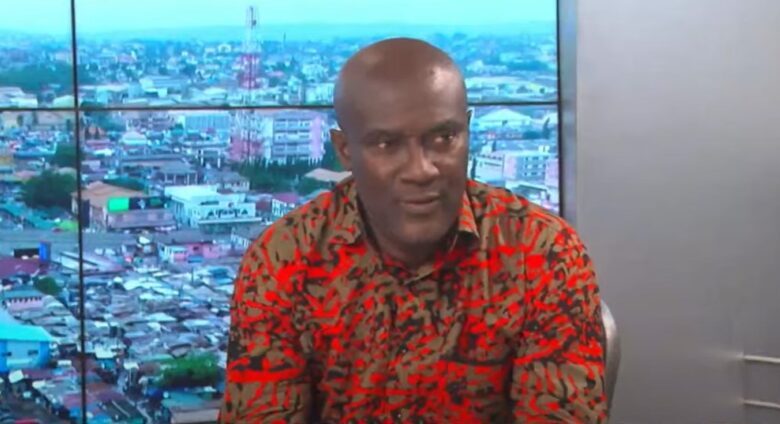
Speaking in an interview on Joy FM’s Midday News on Thursday, June 25, Mr Boateng said GUTA is not opposed to tariff reviews in principle, acknowledging that utility service providers need adequate resources to sustain operations.
However, he maintained that the reasons provided by PURC for the latest increases do not reflect the realities of the current economic environment.
“It is not about simply opposing tariff increases because we all know that utility companies need money for their operations. What we are saying is that when you examine the reasons they have provided, the current situation does not support the basis for these increases,” he said.
Mr Boateng noted that one of the key justifications cited was the depreciation of the Ghana cedi. He argued that the extent of the depreciation was relatively modest and should not have warranted the magnitude of the increase.
“It is true that the exchange rate has experienced some depreciation recently. Between April and May, the average depreciation was about 4.18 per cent. We believe this is insignificant and does not call for an increase in utility tariffs,” he stated.
When asked about alternative measures, Mr Boateng pointed to operational inefficiencies within the utility companies as the main source of their financial challenges.
He cited significant losses in both the Ghana Water Company and the electricity distribution system, largely due to theft, illegal connections, and wastage.
“If you take Ghana Water Company, for instance, they are recording operational losses of between 51 and 52 per cent. In the electricity sector, operational losses are around 32 per cent. These losses arise from theft, illegal connections and wastage within the system,” he explained.
Mr Boateng argued that utility providers should focus on reducing these losses rather than relying on periodic tariff increments to improve their revenues.
Editor:
Obiri-Yeboah