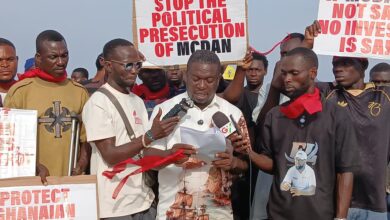
Eleven years after fire, flood, and fuel combined in a devastating tragedy that claimed over 150 lives and injured more than 200 others, Ghana continues to gather annually to remember but has yet to deliver justice.
The painful question that has lingered since June 3, 2015, remains unanswered: where is justice?
This was no ordinary disaster. It was a catastrophic failure, a deadly convergence of negligence and systemic collapse that wiped out families and left hundreds with lifelong physical, emotional, and financial scars.
Some survivors lost their hearing. Others lost their businesses and livelihoods. Many lost entire families. Yet the greatest ongoing loss has been the absence of accountability.
In 2018, 69 victims took a bold step by filing a class action lawsuit against GOIL, the National Petroleum Authority (NPA), the Accra Metropolitan Assembly (AMA), and the station manager. Their demand was straightforward: accountability, compensation, and dignity.
Courtroom evidence has only strengthened their case. Under cross-examination, GOIL’s own witness reportedly admitted the disaster could have been prevented. The NPA’s witness acknowledged that better regulatory oversight might have averted the tragedy. These are not mere emotional appeals they are documented revelations in court.
Despite this, the institutions involved continue to defend themselves by claiming due diligence and procedural compliance, attributing the disaster to external factors. For the victims and their families, such arguments feel hollow in the face of irreversible loss.
The AMA’s defence has been particularly criticised. Observers argue that the Assembly cannot absolve itself of responsibility in a city where blocked drains, illegal structures, and encroachments on waterways were longstanding and visible. When regulatory bodies see danger but fail to act, “not our responsibility” becomes less a defence and more an admission of failure.
This is why survivors describe June 3 not as a mere accident, but as a preventable failure of duty of care that unfolded in plain sight.
Backed by the One Ghana Movement, the victims are now renewing their call to the Presidency under the “Resetting Ghana” agenda. Their message is clear: true resetting must go beyond slogans, it must deliver justice for the victims, accountability for institutions, and relief for those who have suffered for far too long.
Yet, eleven years later, the trial continues. The pain continues. And the silence of resolution continues.
Ghana must now confront an uncomfortable truth: a nation that remembers its tragedies every year but fails to deliver justice risks turning remembrance into mere ritual and accountability into an empty promise.
The question is no longer whether the June 3 disaster happened. It is whether Ghana is finally ready to respond with justice that goes beyond ceremony.
Editor:
Obiri-Yeboah