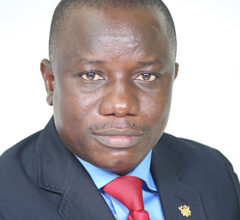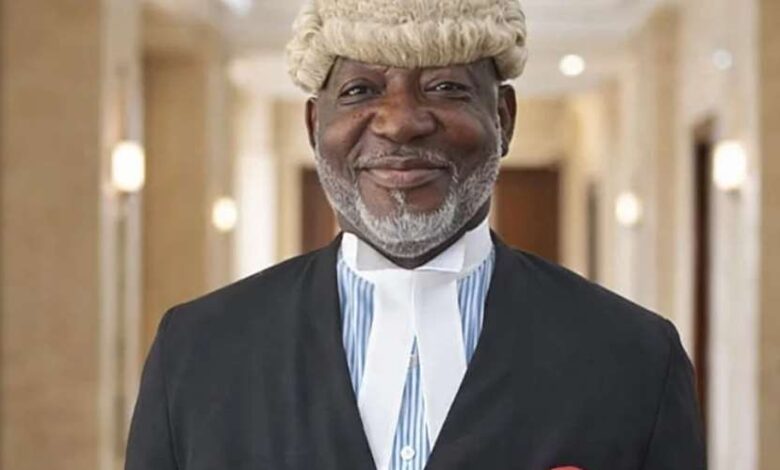
Charles Owusu Juanah, a Ghanaian lawyer and political figure, warns the recent jailing of social commentators and opposition voices would threaten democratic freedoms and the trend the “criminalisation of free speech.” Speaking at the Asaase Breakfast Show on Wednesday, May 27 — the day where Juanah, the Chairman of Friends of Bawumia, said the state appears to be overstepping its constitutional lines when it comes to dissenting views. “Fighting against people’s opinions and expression through the law is against human rights,” he said.
Ghana’s 1992 Constitution, he said, ensures freedom of expression and offers civil remedies, including defamation cases, to aggrieved individuals instead of criminal sanctions. In 2001 Juanah reiterated the repeal of criminal libel law as a strategic move in efforts to strengthen democracy by preventing the state from punishing critical speech. “It is not for the development of democracy we have chosen; this was a major reason we removed it,” he said.
The lawyer wondered at the proportionality of arrests in recent months, as it related to comments about problems such as “dumsor” – the return of power outages. “If someone says ‘dumsor is back’ and you arrest him, what conditions would you consider?” he asked. Such actions could set off a slide toward authoritarianism, Juanah said, noting that democracies often corrode over time once governments decide to clamp down on dissent. “That is how it begins…before that start to take root and wings,” he warned.
Accepting that freedom of speech is far from absolute, he maintained that restrictions should be strictly within the framework of the law and protections enshrined in the Constitution. “You’re just not taking action and having police arrest somebody for saying something,” he said. Juanah reminded authorities to focus on dialogue and engagement, rather than coercion, saying public criticism needs to be viewed as constructive feedback, not as a threat. “Hard words break no bones,” he said, calling for more tolerance in the country’s democratic landscape.
Editor:
Obiri-Yeboah