Cocoa Farmers Cry to Government Over Refusal to Pay Them Since November
COCOBOD’s inability to obtain syndicated loans for three straight seasons is now resulting in unpaid deliveries of cocoa, prompting new concerns about the financing methods used for the nation’s cocoa purchases.
For over 30 years, COCOBOD has depended on receivables-backed syndicated loans from international banks to provide upfront funding for buying cocoa beans from farmers at the beginning of each crop season. This arrangement supplied essential initial capital for Licensed Buying Companies (LBCs) to acquire the produce during harvest time and guaranteed timely payments to farmers. That established system, however, has been discontinued over the last three seasons, leading to a significant shortage of liquidity that has affected the entire supply chain.
Notably, no syndicated loan was arranged for the 2024/25 season, ending a 32-year streak of such financing. COCOBOD also failed to obtain syndicated funding for the 2025/26 crop season, with officials stating that this approach is currently not being pursued. Yet industry experts argue that this change has severely undermined COCOBOD’s ability to compensate farmers promptly, serving as the main cause of the unpaid cocoa deliveries since November of last year. A situation that the Ghana National Association of Cocoa Farmers (GNACOF) has strongly highlighted as critical.
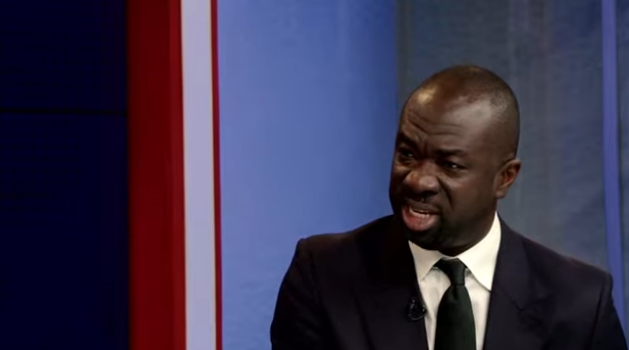
In an interview on Frontline on Rainbow Radio, GNACOF President Stevenson Anane Boateng expressed deep concern that farmers are still awaiting payment and facing hardship. “The government is buying our cocoa but has refused to pay us. Since November, we have not been paid. They accept the cocoa, but they don’t pay us,” he stated, noting that the circumstances were so severe that many farmers were unable to observe Christmas or New Year celebrations.
Mr. Boateng also voiced irritation that farmers have received no clear explanation for the delays, emphasizing that they are “not part of government” and have been given no transparent answers.
Moreover, the lack of syndicated financing has hit indigenous LBCs particularly hard, as they historically relied on COCOBOD’s seed funding to function during peak harvest periods. Adding to the difficulties, insiders with knowledge of COCOBOD’s activities indicate that the board did not seek syndicated loans in 2023, 2024, or 2025, despite Parliament’s earlier approval of an $800 million syndicated facility for the 2023/24 season that was not fully drawn down within the required timeframe.
In place of this, COCOBOD is said to have shifted to other funding options, such as unsecured loans from cocoa purchasers like Olam and additional produce buyers obligations that sources report are still outstanding, further damaging ties throughout the industry. The outcome is a serious liquidity shortage that has left farmers waiting months for their money, harming livelihoods in cocoa-growing areas and jeopardizing upcoming yields.
Beyond the payment delays, cocoa farmers’ welfare issues go further. The Ghana National Cocoa Farmers Association (GNACOFA) has urged the government to launch a pension scheme, strengthen health insurance, and upgrade healthcare services for cocoa farmers nationwide.
The association cautioned that inaction could lead farmers to stage nationwide protests to demand action. “If a pension scheme is not introduced, health insurance is not improved, and quality healthcare is not provided, farmers will be forced to take matters into their own hands,” GNACOFA officials declared in their official request.
This combined challenge of funding and welfare provision has revealed the fragility of Ghana’s cocoa industry, especially as farmers contend with escalating costs for inputs and weather related difficulties. Experts stress that reinstating syndicated loans or developing a reliable alternative financing system is essential for COCOBOD to restore timely payments to farmers and rebuild trust in Ghana’s cocoa market.
While discussions on policy continue, cocoa farmers throughout the country stay unpaid and anxious, awaiting a resolution that would steady the sector and protect their means of living.
Editor:
Samuel Obiri-Yeboah