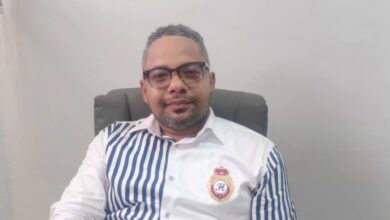
The week-long Volta Youth Festival is set for a historic highlight on Saturday, 7th March 2026, as business leader Dr. Daniel McKorley (McDan) arrives in Ho to headline the entrepreneurial segment of the festivities.
Organized as part of the broader festival at Ho Technical University, the McDan Youth Connect will provide a platform for young innovators to pitch their business ideas for seed funding and professional mentorship. This initiative is part of a larger nationwide mission, as the McDan Foundation organizes these sessions several times a year across all regions of Ghana to systematically produce the next generation of industrial giants.
*Commending Regional Leadership*
The success of this year’s festival is a testament to the dedication of the Volta Regional Minister, Hon. James Gunu. His leadership in organizing a full week of cultural, sporting, and educational activities has unified the region’s youth under a shared vision of progress.
A defining moment of the Minister’s itinerary on March 7 will be the official launch of the Volta Youth Development Fund. This regional fund, established under the Minister’s office, is designed to provide sustainable financial support for youth-led startups and technical skills training across the Volta Region.
*Fueling National Growth*
By integrating McDan Youth Connect into the festival, Dr. McKorley continues his commitment to decentralizing opportunity. These frequent regional engagements ensure that:
*Entrepreneurs are Discovered*: Talented youth in Ho have the same access to capital as those in Accra.
*Mentorship is Sustained*: Winners receive more than a cheque; they are enrolled in a mentorship programme to ensure their businesses scale.
*Economic Stability*: Every new entrepreneur produced adds to the national development and job creation efforts of the country.
The collaboration between the Office of the Regional Minister and the McDan Foundation marks a significant milestone in regional empowerment, proving that when leadership and private enterprise align, the youth are the ultimate winners.