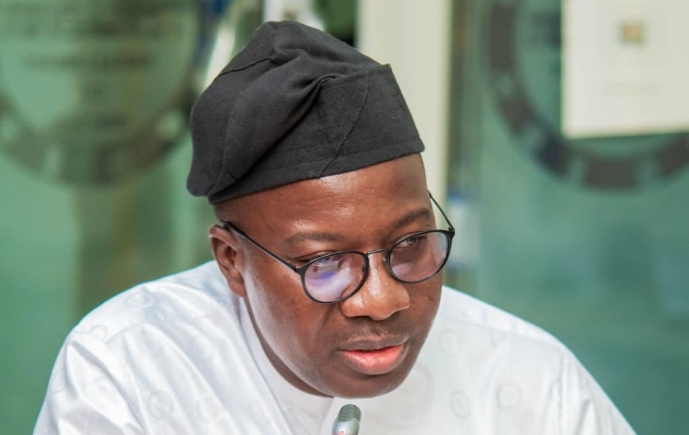
The Majority Leader, Mahama Ayariga, has reaffirmed the National Democratic Congress (NDC) caucus’ firm stance on the Anti-Gay Bill, a position the party has consistently maintained since the last election. He emphasized that the bill is a priority for the NDC and must be passed without hesitation.
His comments come after former President John Dramani Mahama proposed an alternative approach, suggesting that a government-sponsored bill could achieve broader national consensus through inclusive consultations.
Speaking during a meeting with the Bishops on January 14, 2025, President Mahama highlighted the importance of revising Ghana’s school curriculum to incorporate moral and cultural education. According to him, such measures would instill Ghanaian and African values in the younger generation.
In a January 27 interview with Channel One TV, Mahama Ayariga explained that legislative proposals introduced by a private member or during a specific parliamentary term typically lapse if not concluded before the term ends. However, he dismissed any speculation that the NDC has shifted its stance on the matter.
Reassuring the public of the NDC’s unwavering commitment to the bill, Ayariga stated, “The NDC caucus remains steadfast in its position. The Anti-Gay Bill must be passed to uphold Ghanaian and African values.”